
Could Secret Aerospace Technology Already Exist?
Have you ever looked up at the sky and seen something that defied explanation? A light moving faster than any known aircraft, changing direction without any visible means of propulsion,
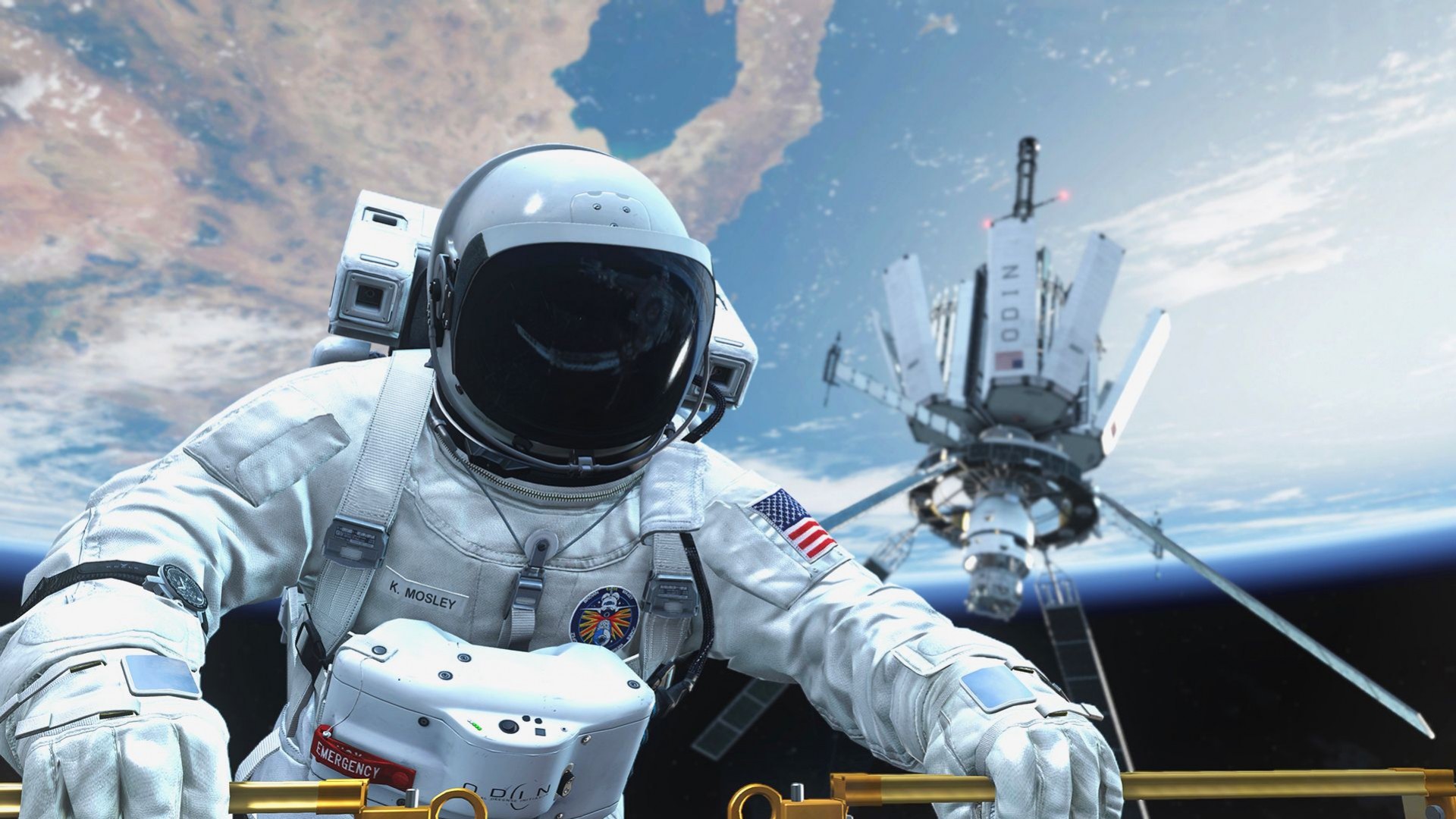
Imagine a sky where the roar of jet engines is replaced by the silent hum of plasma thrusters. Imagine a battle fought not over oceans and mountains, but across the silent, unforgiving void between worlds. This is not the opening scene of a blockbuster movie.
This is the terrifying and exhilarating reality we are hurtling toward at breakneck speed. The future of combat is no longer confined to the blue skies above our heads. It is expanding into the infinite blackness beyond, where nations will fight not for territory on a map, but for the ultimate high ground: space itself.
The days of dogfights and carrier groups are giving way to an era of orbital strikes, satellite warfare, and lightning fast interceptors that blur the line between aircraft and spacecraft. We are standing on the precipice of a new kind of conflict, one that will redefine power, strategy, and survival itself.
As we peer into this future, we must ask ourselves a question that sends chills down the spine of even the most hardened military strategist: are we truly prepared for the brutal reality of space warfare? To understand where we are going, we must first explore the future of military aviation and space warfare and the terrifying technologies that will shape the battlefields of tomorrow.
For over a century, the skies have been the ultimate battleground for military supremacy. From the fragile biplanes of World War, I to the stealth bombers of the modern era, aviation has always been at the cutting edge of human ingenuity and destruction. But the next leap forward is not just an evolution of what came before.
It is a complete and total revolution. We are moving beyond the atmosphere, beyond the limits of traditional flight, and into a domain where the rules of engagement are written in the cold, unforgiving language of orbital mechanics.
But the most profound shift is not just in the aircraft themselves, but in the environment they will operate in. The future space battles will not be fought in the familiar, comforting embrace of Earth’s atmosphere. They will be fought in the cold, airless void where there is no up or down, no cover, no hiding.
Every move will be visible, every trajectory predictable, and every mistake fatal. This is the terrifying new reality of space combat technology, where the difference between victory and defeat is measured in fractions of a second and millimeters of accuracy.
To truly grasp the staggering implications of this shift, we must look at how advanced flight technology could change humanity and the delicate balance of power that hangs in the balance.
The development of hypersonic aircraft has become the single most important focus of military aerospace programs across the globe. These are not your grandfather’s fighter jets. They are weapons systems that can travel at speeds exceeding Mach 5, making them virtually impossible to intercept with current defense technologies.
They can strike targets on the other side of the planet in less than an hour, delivering conventional or nuclear warheads with devastating precision. The development of these systems has triggered a new arms race, one where the old rules of deterrence no longer apply. But speed alone is not enough.
The true revolution lies in the integration of these platforms with advanced aerospace engineering that pushes the boundaries of what we thought possible. We are talking about aircraft that can transition seamlessly from atmospheric flight to space flight, that can launch from runways and deliver payloads to orbit, and that can return to Earth and be ready for another mission within hours.
These are the futuristic warfare systems that will define the next generation of military power. They are not just weapons. They are symbols of national prestige and technological dominance. These systems will be the shield against the sword of space warfare, and their development will require an investment of resources and intellectual capital that rivals the Manhattan Project.
And as we push the boundaries of what is possible, we cannot help but wonder about the mysteries that lie beyond our current understanding, including the military fascination with UAP phenomena and whether we are truly alone in our quest for domination of the skies.
The militarization of space is not a theoretical concept. It is happening right now, and the pace is accelerating faster than most people realize. Nations are deploying anti-satellite weapons, developing space based interceptors, and establishing military commands dedicated to space warfare.
The future space battles that once seemed like science fiction are becoming a real and present danger. The stakes could not be higher. Control of space means control of communications, navigation, intelligence, and early warning systems. It means the ability to project power anywhere on the planet at a moment’s notice. It means absolute strategic dominance.
The geopolitical implications are staggering. The nations that lead in space warfare will hold an unprecedented advantage over their rivals. They will be able to dictate terms, enforce blockades, and project power with impunity. This is why the development of future fighter jets and futuristic warfare systems is not just a matter of military strategy, but of national survival.
The race for space supremacy is a race for the very future of humanity. And as we push forward into this new frontier, we must ask ourselves whether we are building a future of peace and cooperation or one of endless conflict and destruction.
For those who dream of the skies and the stars beyond, there is no shortage of Military sci-fi aviation stories that capture the imagination and explore the human cost of this relentless pursuit of power.
Space warfare refers to the use of military assets in space to gain strategic advantage over adversaries. This includes satellites for communication and surveillance, anti-satellite weapons, and potentially space based interceptors. It is becoming increasingly important because control of space translates directly to dominance on Earth.
The future fighter jets of tomorrow will likely feature a mix of both. Some missions will be conducted by fully autonomous drones that can operate without human intervention. Others will require the judgment and adaptability of human pilots, enhanced by futuristic pilot technology that pushes the limits of human performance.
Hypersonic aircraft will revolutionize military strategy by making it possible to strike targets anywhere on Earth in less than an hour. This eliminates the security of distance and forces nations to rethink their defense postures. Defending against hypersonic aircraft requires a new generation of aerospace defense systems that can detect, track, and intercept threats that move faster than any existing missile defense system can handle. This is one of the most pressing challenges in modern military planning.
The future of military aviation is no longer confined to the skies above our heads. It is expanding into the infinite, silent void of space, where the stakes are higher, the challenges are greater, and the consequences of failure are more catastrophic than anything we have ever faced.
The space warfare that once existed only in the pages of science fiction is becoming a reality, driven by hypersonic aircraft, advanced aerospace engineering, and the relentless pursuit of strategic advantage. We are building weapons that can strike anywhere on Earth in minutes, satellites that can blind our enemies, and defense systems that can protect us from threats we cannot even imagine.
But with this power comes an immense responsibility. We must use these technologies wisely, with an eye toward peace and cooperation, rather than domination and destruction. The future fighter jets and futuristic warfare systems of tomorrow are not just machines.
They are reflections of our values, our priorities, and our vision for the future. They can be tools of liberation or instruments of oppression. They can protect our freedoms or extinguish them. The choice is ours, and it is a choice we must make with wisdom, with courage, and with a profound respect for the fragility of the world we inhabit.
Have you ever looked up at the sky and seen something that defied explanation? A light moving faster than any known aircraft, changing direction without any visible means of propulsion,

Have you ever looked up at the night sky, spotted that tiny red dot glowing among the stars, and wondered what it would be like to stand on its dusty
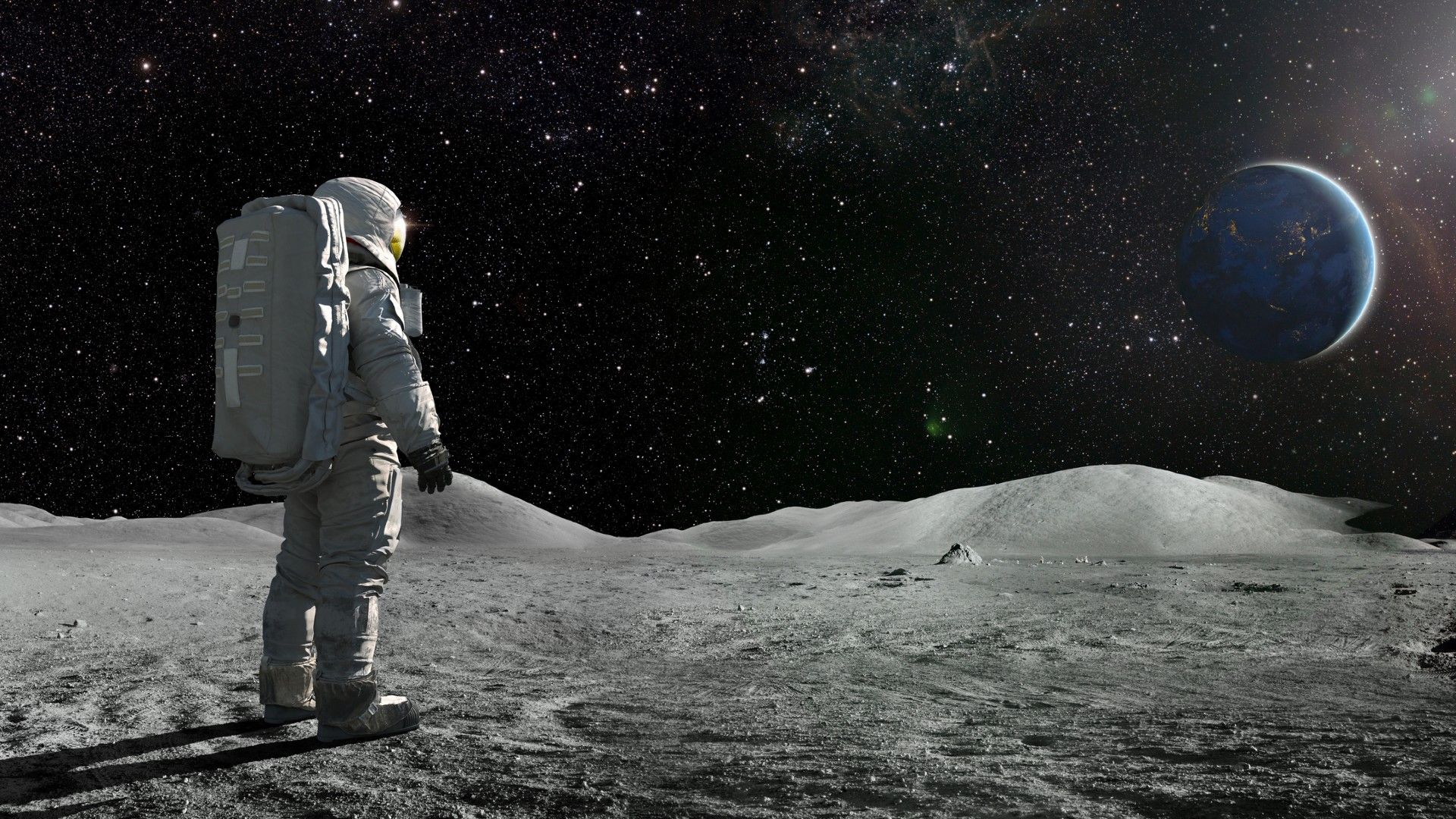
Have you ever looked up at the night sky, watched the Moon glowing silently, and wondered what it would be like to call that place home? To step outside your

Imagine stepping onto a gleaming space station, the vastness of the cosmos stretching before you, only to realize that every decision, every movement, every whispered word is being monitored, analyzed,